Genetic variation controls predation: Benefits of being a mosaic
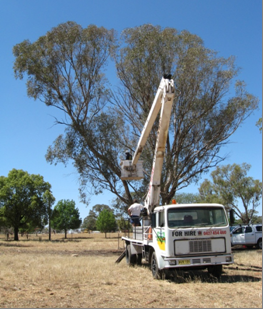
A genetically mosaic Eucalyptus tree is able to control which leaves are saved from predation because of alterations in its genes, finds an study published in BioMed Central's open access journal BMC Plant Biology. Between two leaves of the same tree there can be many genetic differences – this study found ten SNP, including ones in genes that regulate terpene production, which influence whether or not a leaf is edible.
Organisms collect somatic genetic mutations throughout their lives. These mutations may have no effect or they may occur in genes important to how the cell behaves. Cancer cells often have genetic mutations which permit the cell to divide more times than an unmutated cell, and in plants it is somatic mutation which allows a single tree to produce both nectarines and peaches.
Researchers from the Australian National University found that in the long-lived Eucalyptus tree (Eucalyptus melliodora ) somatic mutation is also responsible for their interesting ability to produce some branches with leaves that are readily predated, while others are pest resistant.
At a genetic level there were ten genes which contained differences between these leaves. Amanda Padovan, who led this project, explained, "The main defence against predation of Eucalyptus is a cocktail of terpene oils, including monoterpenes, sesquiterpenes, and FPCs, which give the tree its distinctive smell. Leaves which were resistant to predation had five fewer monoterpenes and nine fewer sesquiterpenes than the tastier leaves. However the concentration of FPCs and the remaining monoterpenes was far higher - so it seems that these mutations reduce the tight control over terpene production."
While this loss of control probably has a high evolutionary cost, it allows the tree to survive the insect-plant war. The tree investigated had one branch which was untouched by insects when the rest of the tree was completely defoliated.
Journal information: BMC Plant Biology
Provided by BioMed Central


